Navigating Digital Access: Entry Tools and Support Interfaces at Major Bookmakers
Written by Amir Coleman · Oct 12, 2026
Navigating Digital Access: Entry Tools and Support Interfaces at Major Bookmakers
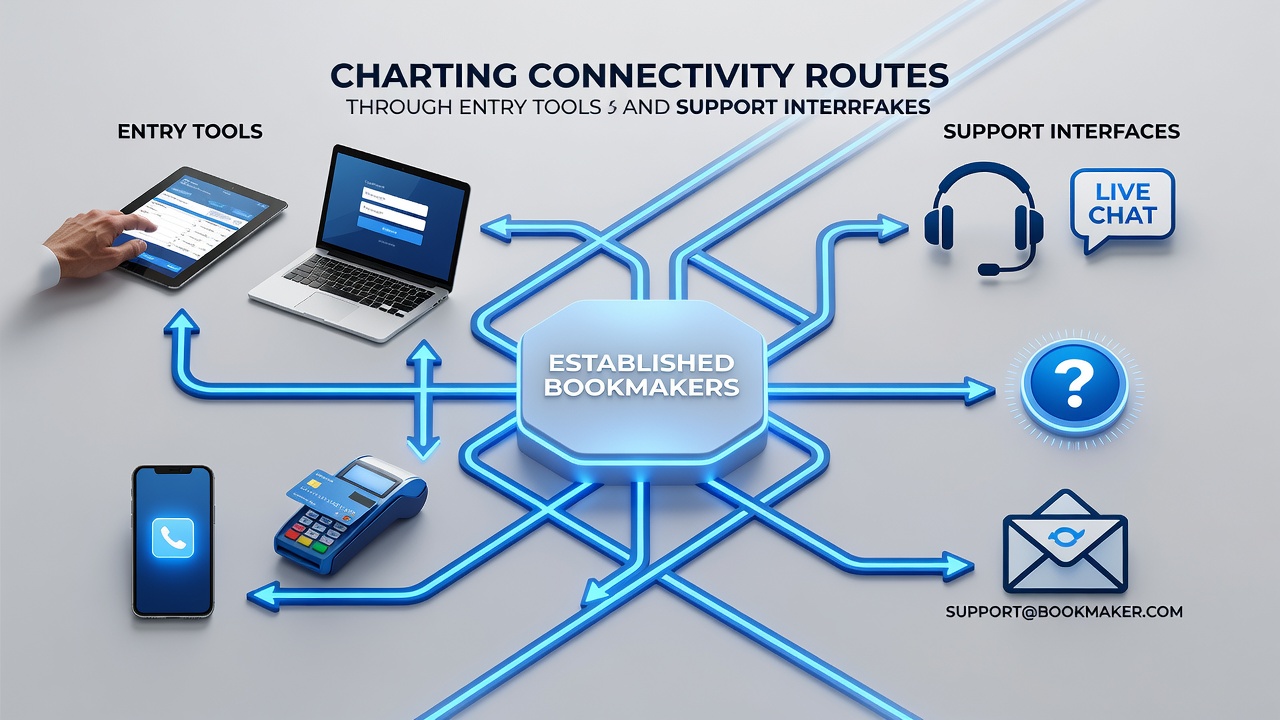
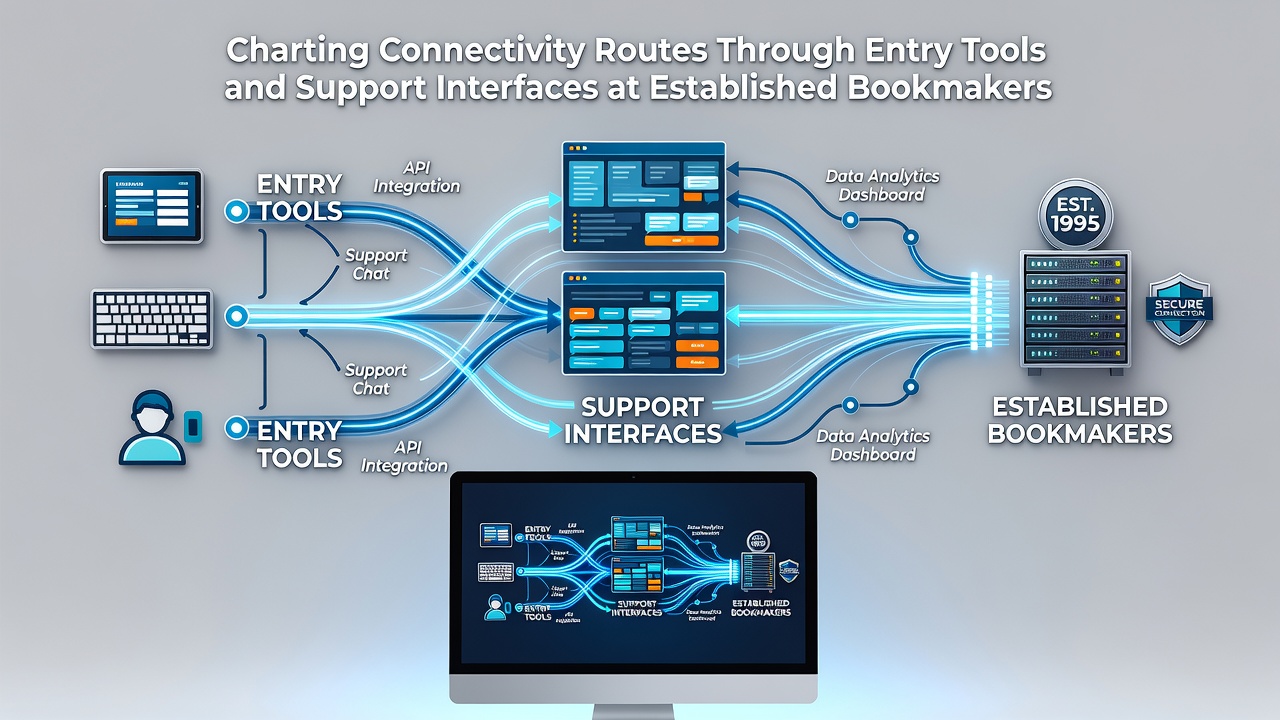
Established bookmakers maintain multiple connectivity routes that allow users to reach platforms through entry tools such as direct website addresses, mobile applications, and affiliate links while support interfaces handle queries via live chat systems, email portals, and telephone lines. These routes operate in coordinated networks where initial entry points feed into ongoing assistance channels that resolve technical issues or account matters without interruption.
Entry tools function as gateways that direct traffic from search engines, promotional banners, and bookmark lists toward registration pages or login screens. Direct URLs provide one primary route, and they often incorporate tracking parameters that log user origins for compliance records. Mobile applications serve as another route where users download software that maintains persistent connections through push notifications and biometric login options, which streamline repeat access compared to browser-based methods.
Primary Entry Mechanisms in Operation
Direct links appear in marketing materials and search results where they guide visitors to homepage dashboards that display odds, account balances, and deposit options in a single view. Affiliate networks extend these routes by embedding referral codes that credit partner sites while routing the same user traffic through secure sockets that encrypt data during transit. Observers note that established operators update these links periodically to reflect server migrations or regional restrictions that arise from licensing changes.
Application-based entry expands connectivity because platforms push updates that add features like quick deposit buttons and in-app support widgets. These applications connect to backend servers through APIs that verify credentials before granting access, and they log session durations that feed into analytics systems used for regulatory reporting. In October 2026, several operators introduced enhanced app versions that integrate voice command entry alongside traditional touch interfaces, which reduces navigation steps for users managing multiple accounts.
Support Interface Integration with Entry Routes
Support interfaces connect directly to entry tools through embedded widgets that appear on login pages and within application menus. Live chat systems activate from these points and transfer context such as previous page visits or error messages so representatives address issues without requiring users to repeat details. Email portals handle longer queries where attachments like transaction receipts accompany descriptions of connectivity problems, and telephone lines provide voice verification that confirms account ownership before disclosing sensitive route information.
Those who manage these systems emphasize that interfaces must scale during peak periods when sports events drive simultaneous logins. Automated response layers filter common questions about password resets or deposit failures before escalating complex cases to human agents. Data from industry reports shows that integrated support reduces average resolution time because entry tool logs supply diagnostic details automatically.
Security protocols protect every route through encryption standards and two-factor authentication that triggers at both entry and support stages. When users initiate contact via chat after encountering a login error, the system cross-references device fingerprints and IP history to confirm legitimacy. Australian Communications and Media Authority guidelines outline minimum standards for such protections in digital gambling services, and operators align their interfaces accordingly to maintain operational licenses.
Regional Variations in Route Management
European operators often route users through geo-fenced entry tools that detect location via GPS or network data before displaying localized support options. North American platforms, in contrast, emphasize state-specific interfaces that connect to different regulatory bodies depending on where the connection originates. Research from the University of Nevada Reno Gaming Innovation Center indicates that these variations affect how quickly support resolves connectivity issues because regional rules dictate data retention periods and disclosure requirements.
Users frequently switch between routes when one experiences temporary slowdowns. A desktop browser session might transition to a mobile app mid-conversation with support staff, and the interface maintains continuity by transferring chat transcripts through secure cloud links. This flexibility proves essential during high-traffic windows when established bookmakers process increased volumes of entry attempts alongside concurrent support requests.
Technical Components Behind the Routes
Backend systems track every connection through logging frameworks that record timestamps, device types, and error codes. These logs feed into dashboards that support teams monitor in real time, allowing rapid identification of widespread issues such as CDN disruptions or certificate expirations. When problems surface, operators publish status updates through the same entry tools that users already access, which closes the loop between detection and communication.
API gateways serve as central hubs that authenticate requests from websites, apps, and support portals before routing them to core databases. Rate limiting prevents overload while encryption layers shield transaction details during transfer. Industry associations track these technical standards across multiple jurisdictions to promote consistent practices that reduce friction for users navigating between entry points and assistance channels.
Conclusion
Connectivity routes through entry tools and support interfaces form interconnected systems at established bookmakers where direct links, applications, and assistance portals operate in sequence to deliver uninterrupted access. Updates in October 2026 introduced new authentication layers and voice features that refined these pathways, yet the underlying structure remains focused on secure, logged connections that satisfy regulatory expectations across regions. Observers continue to monitor how these components evolve as digital infrastructure advances and user volumes fluctuate with major events.